

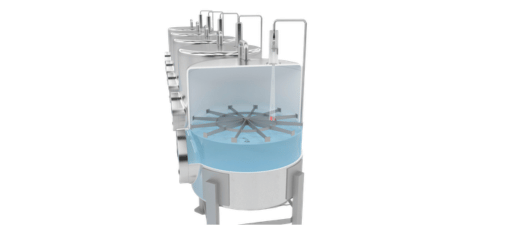
Factory Automation Sensors
- Proximity
- Photoelectric
- Vision
- Inclination
- Ultrasonic
- Sensors
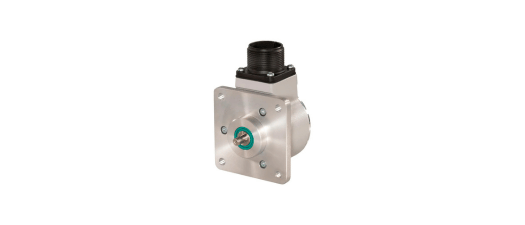
Rotary Encoders
- Rotary Encoders
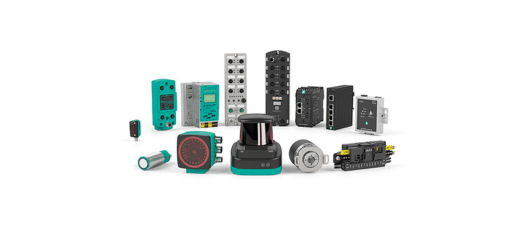
Process Automation Interfaces & Monitoring
- ISB's
- Signal Conditioners
- Purge/Pressure Systems
- Industrial Monitors
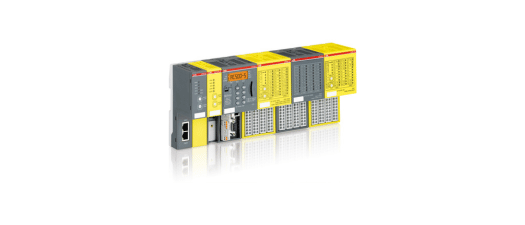
Safety PLCs, Relays & Machine Control
- Safety PLCs
- Relays
- Machine Control
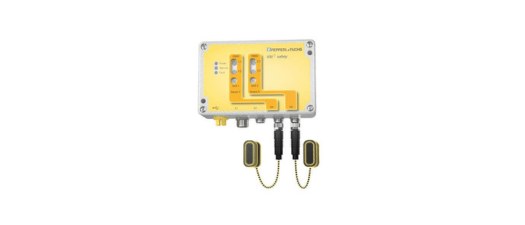
Safety Sensors, Switches & Locks
- Sensors
- Switches
- Locks
- Safety Interlock Switches
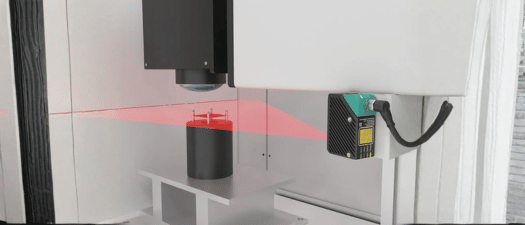
Safety Presence Sensing & Guarding
- Optical Devices
- Safety Mats
- Contact Edges
- Bumpers
- Light Curtains
- Safety Fences
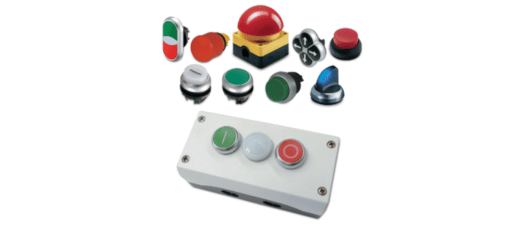
Emergency Stops & Safety Pilot Devices
- Pilot Devices
- E-Stops

Sensors & Machine Safety from Applied Industrial Controls
Applied Industrial Controls provides industrial sensors, rotary encoders, process automation interfaces, safety controllers, relays, switches, light curtains, emergency stops, and other machine safety devices. AIC can help select and integrate components based on the application, operating environment, control system, and safety requirements.
What Should I Consider When Choosing a Sensor?
Industrial sensors can provide many different types of information. Common options include proximity, photoelectric, positioning, vibration, pressure, temperature, flow, and level sensors. Selecting the right sensor starts with understanding the application and operating requirements.
Important considerations include:
- Temperature range
- Protection class
- Input voltage and supply power
- Output signal type
- Physical size
- Response speed
- Repetition accuracy
- Mounting type
- Sensing range
The sensor should also be tested with the equipment and conditions where it will operate to confirm that it performs as required.
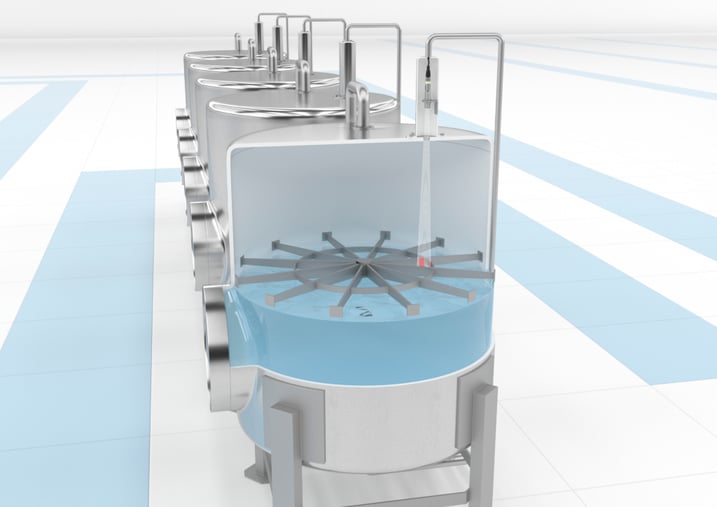
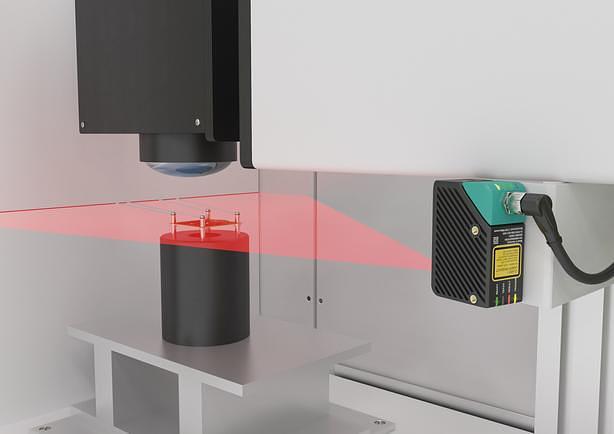
Analog vs. Digital Industrial Sensors
Sensors provide information to industrial controllers through electrical signals. The appropriate signal type depends on the application, controller, required accuracy, wiring distance, and operating environment.
Digital Sensors
Digital sensors typically provide discrete on/off information to a control system. They are commonly used for applications such as presence detection, position sensing, machine status, and limit detection.
Analog Sensors
Analog sensors provide a varying signal that represents a measured condition. They are commonly used for continuously changing values such as pressure, temperature, flow, level, or position.
0-10V vs. 4-20mA Sensor Signals
0-10V Signals
A 0-10V signal is common in industrial controls and can be straightforward to measure and troubleshoot with standard electrical test equipment. Over longer wire lengths, however, voltage drop and electrical interference can affect signal quality.
4-20mA Signals
A 4-20mA signal provides greater resistance to electrical interference and signal loss over longer wiring distances. Because 4mA represents the lowest normal signal value, a 0mA reading can also indicate an open circuit or broken wire.
Most modern industrial controllers can accommodate 4-20mA signals, making them useful for many process and industrial monitoring applications.
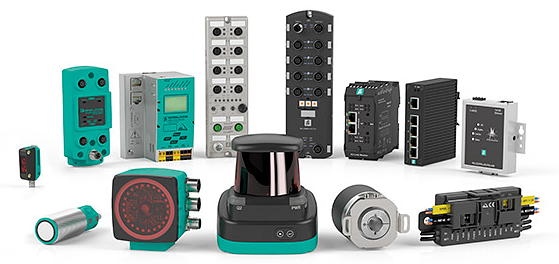
Industrial Sensors for Hazardous Environments
Environmental conditions are an important part of sensor selection. Sensors operating in harsh or hazardous environments must be suitable for the specific conditions they will encounter.
Conditions to consider can include:
- Damp or humid environments
- Extreme temperature changes
- Electrostatic discharge
- Equipment vibration
- Dust and particulates
- Exposure to process conditions
AIC can help evaluate the application and identify sensing technology that fits the operating environment and control-system requirements.
Machine Safety Controls
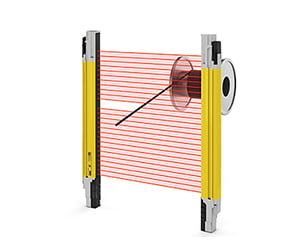
Industrial machine safety systems are used to reduce risk to personnel and equipment. A safety system may include sensing devices, emergency stops, interlocks, light curtains, safety relays, safety PLCs, and other controls based on the hazards and complexity of the application.
Applied Industrial Controls can supply and integrate machine safety devices into industrial automation systems and help customers identify components appropriate for their application.
Should I Choose a Safety Relay or Safety PLC?
The choice between a safety relay and a safety PLC depends on the risk level, complexity, size, and expected future changes of the application. In some systems, a combination of the two may be appropriate.
Safety Relay-Based Systems
Safety relays can be a good fit for medium- to high-risk applications with relatively simple and stable safety requirements. A basic system may include a safety relay and an input device such as an emergency stop or light curtain.
Safety PLC-Based Systems
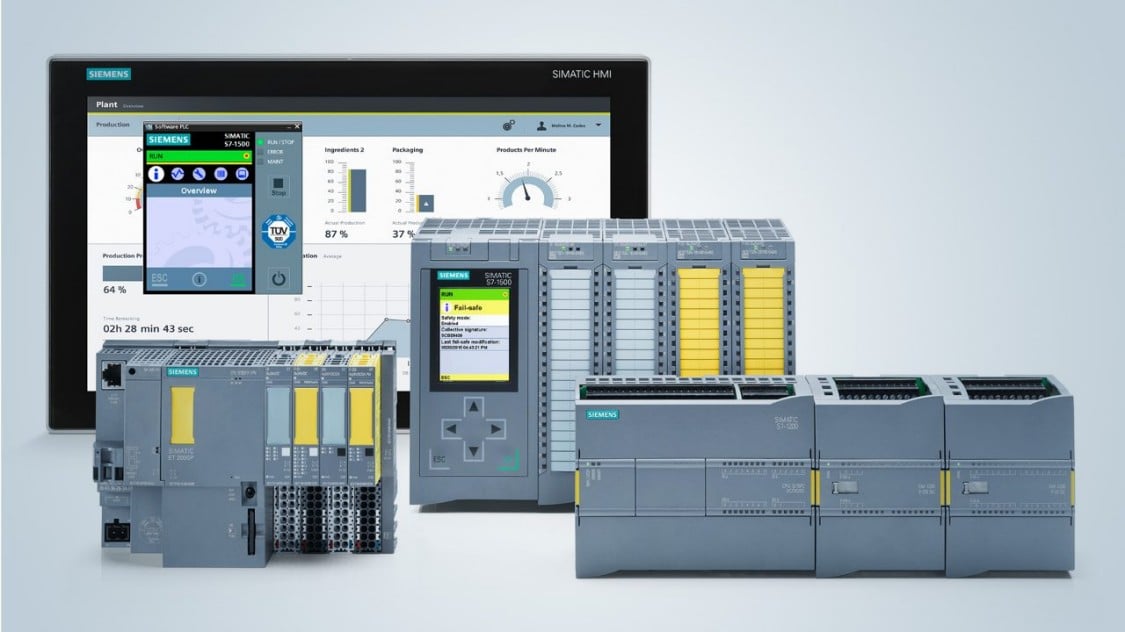
Safety PLCs provide greater flexibility for complex systems or applications expected to change over time. They can support multiple inputs and outputs, zone control, communications with other devices, system expansion, and software-based modifications.
Safety Relay vs. Standard Relay
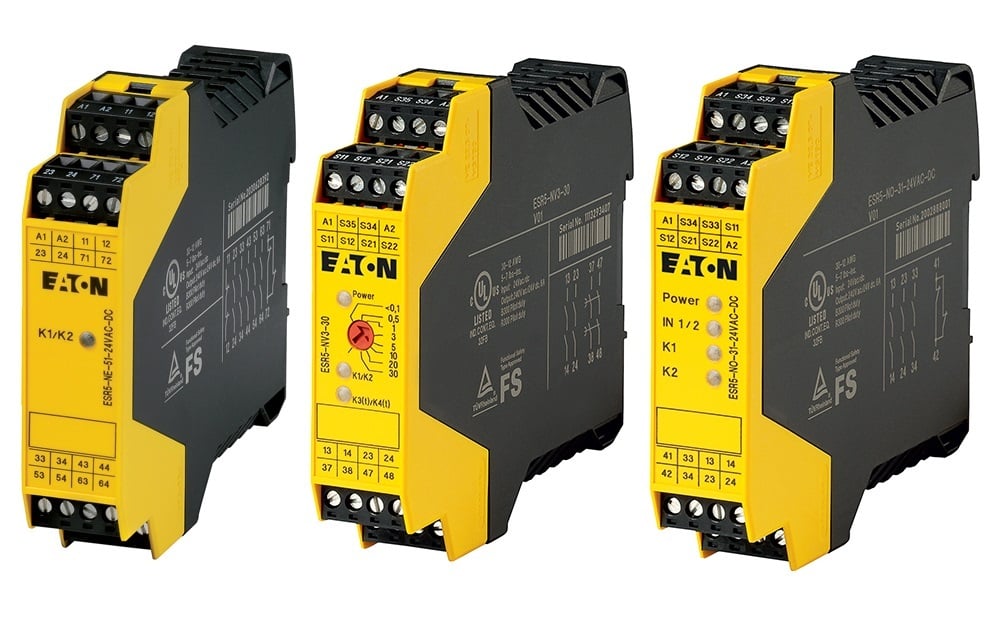
A standard relay is commonly used for switching and linking contacts in control circuits. A safety relay includes additional monitoring functions designed specifically for safety-related control applications.
Safety relays can use redundant signals and multiple channels to monitor safety devices and help ensure that equipment starts and stops correctly. This provides functionality beyond a conventional control relay.
Safety-rated PLC systems can also combine standard and safety inputs and outputs within the same control architecture, providing additional flexibility for larger automation systems.
Safety PLCs & Integrated Machine Control
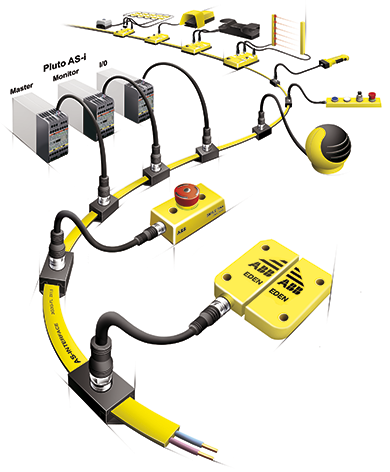
Safety PLCs provide programmable safety control for applications requiring multiple safety devices, zones, inputs, outputs, or communications. They can simplify changes and expansion compared with systems that depend entirely on hard-wired safety logic.
AIC supports safety PLC platforms from manufacturers including Siemens and ABB and can help with product selection, programming, integration, and control-system design.
What Other Machine Safety Devices Might I Need?
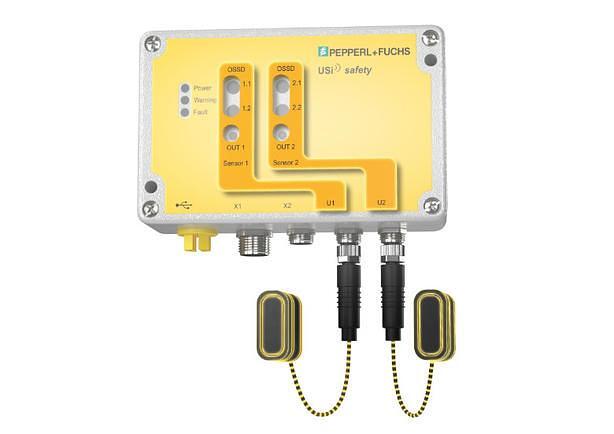
Industrial equipment can contain multiple areas where hazards are present. The appropriate safety devices depend on how operators interact with the equipment and the type of hazard being controlled.
Machine safety devices can include:
- Emergency stop controls
- Safety interlock switches
- Safety light curtains
- Safety scanners
- Indicating lights
- Tower and stack lights
- Safety controllers
- Enabling devices
- Floor mat switches
- Foot switches
- Two-hand control devices
AIC can help supply and integrate safety devices as part of an industrial control system.
Emergency Stops & Safety Pilot Devices
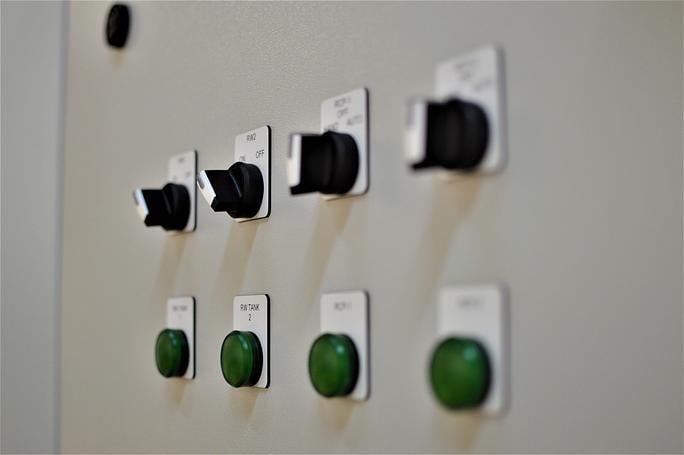
Pilot devices provide the physical interface between an operator and an industrial control system. They can be used to start or stop equipment, select operating modes, communicate equipment status, or activate a safety function.
Common pilot devices include:
- Push buttons
- Selector switches
- Toggle switches
- Rocker switches
- Emergency stop buttons
- Indicator lights
- Signal towers
- Audible alarms
Emergency stop devices are designed for integration into safety circuits so operators can quickly initiate an emergency stop function when required.
Sensor & Machine Safety Support from AIC
Applied Industrial Controls can help select sensors and machine safety components based on the application, operating environment, control architecture, and safety requirements. AIC also supports integration, programming, custom control panels, and technical troubleshooting for industrial automation systems.
Related AIC capabilities include engineering and technical support and UL508A control panel design and manufacturing.
Need Help With Sensors or Machine Safety?
Talk with Applied Industrial Controls about sensors, safety devices, control integration, machine safety, or application support.