
PLCs & HMIs
- ABB PLCs & HMIs
- Eaton PLCs and HMIs
- Mitsubishi Electric PLCs and HMIs
- WAGO PLCs and HMIs
Industrial Network Connectivity & Switches
- Siemens Managed & Unmanaged Switches
- WAGO Industrial Network Connectivity
- Industrial Network Connectivity
PLC Remote Access & VPN Routers
- Industrial VPN Routers for PLC Remote Access & Troubleshooting
- Talk to All Major Brands of PLCs
- eWON Cosy
- eWON Flexy
Industrial Data, Communications & Panel Meters
- Industrial Data
- Building Automation
- Vehicle & Medical Communication
- Panel Meters
Automation Technology & Interface Electronics
- WAGO Interface Electronic
- WAGO Automation Technology
- Eaton Smartwire Automation
PLCs, HMIs & Industrial Networking from Applied Industrial Controls
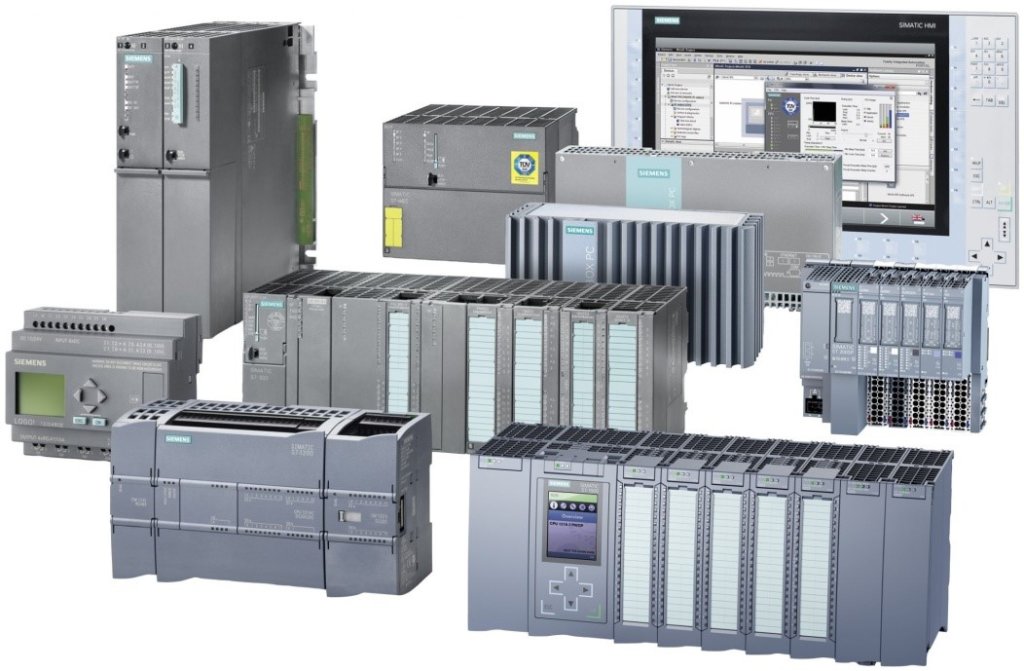
Applied Industrial Controls supports industrial automation systems with PLCs, HMIs, industrial PCs, programmable relays, industrial networking, communications gateways, switches, and remote access solutions. AIC can help with product selection, programming, system integration, communications, and technical support for new and existing automation systems.
What Is a PLC?
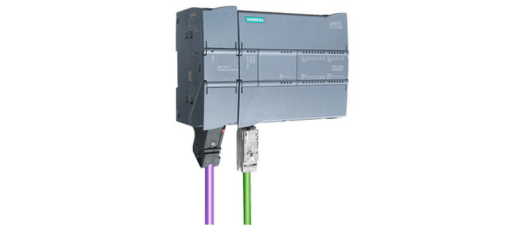
A PLC, or programmable logic controller, is an industrial controller used to automate equipment and processes. PLCs replaced many traditional relay-based control systems by allowing control logic to be programmed and modified in software instead of through physical rewiring.
PLC systems can support functions including:
- Industrial networking
- Serial communications
- PID control
- Motor control
- Position control
- Machine automation
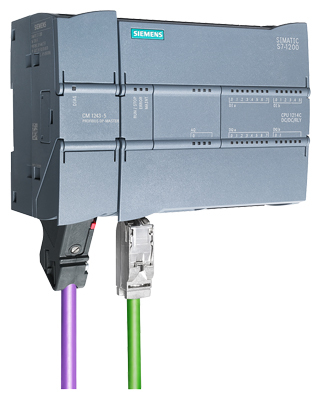
A typical PLC system includes a processor, input and output modules, power supply, communications hardware, and optional specialized modules based on the application.
Should I Choose a PLC, PAC, or Industrial PC?
The right controller depends on the size and complexity of the automation system, required processing capability, available I/O, data requirements, and plans for future expansion.
PLCs
PLCs are dependable industrial controllers suited to a wide range of machine and process automation applications. They can be expanded with additional I/O and communications modules or networked with other controllers.
PACs
Programmable automation controllers provide additional processing power and memory for larger or more complex control applications.
Industrial PCs
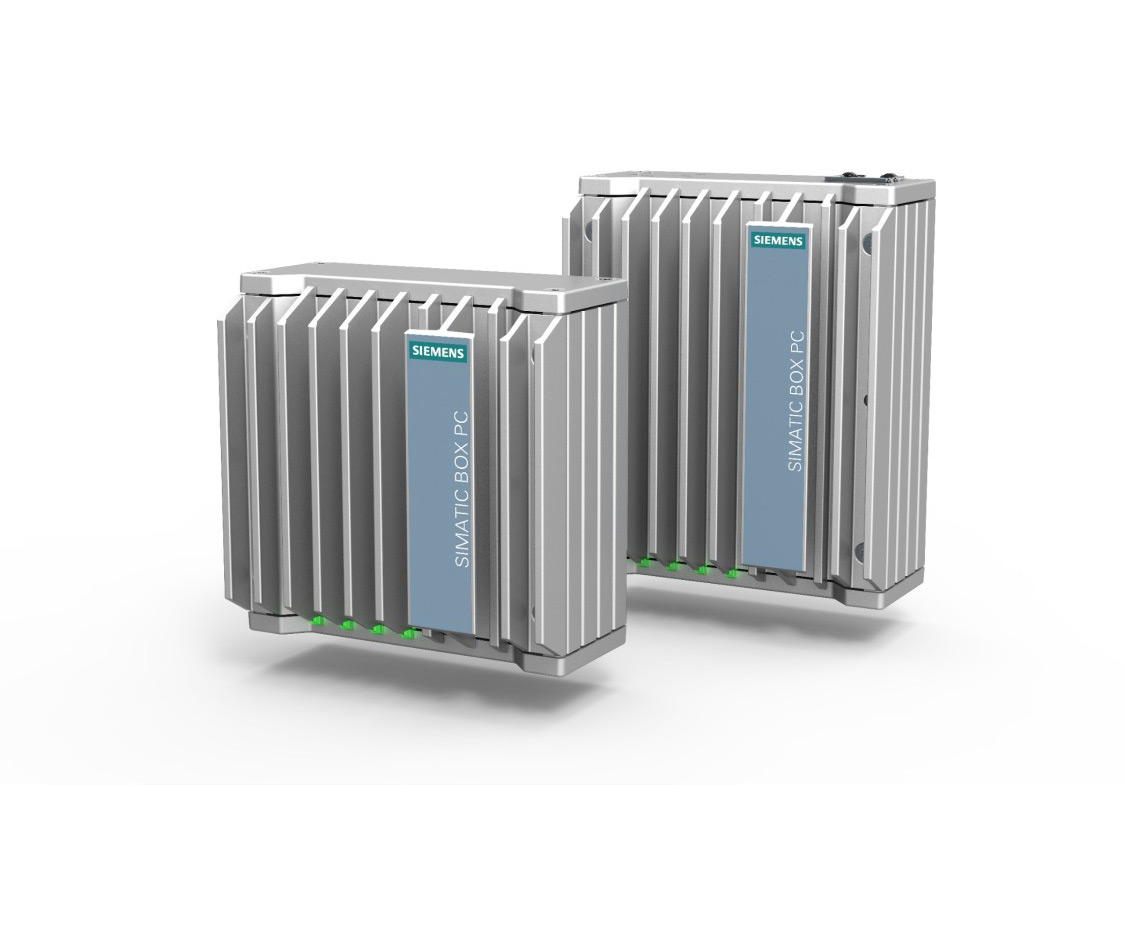
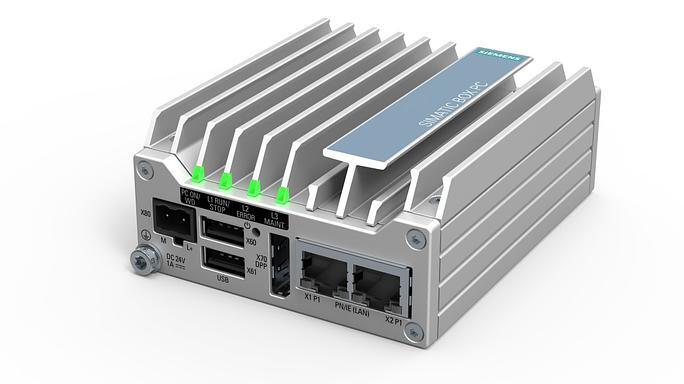
Industrial PCs provide greater computing and data-processing capability and can support complex automation applications. A panel IPC combines an industrial computer and touchscreen interface into a single unit.
What Is an HMI?
An HMI, or human machine interface, provides a visual and interactive connection between an operator and an industrial control system. HMIs allow operators to view equipment status, monitor process information, respond to alarms, and control equipment from a centralized touchscreen interface.
Common HMI functions include:
- System control and operation
- Alarm and fault notification
- Equipment status monitoring
- Input and output monitoring
- Production data tracking
- Data logging
- KPI monitoring
- Process visualization
HMI or Panel IPC?
HMIs are widely used to display real-time equipment information, monitor process conditions, manage alarms, and provide operator controls. They offer a compact industrial interface without requiring individual physical devices for every control or indicator.
A panel IPC may be a better fit when the application requires more computing power, local data storage, or complex data processing. A panel IPC combines a touchscreen with an industrial computer, allowing the interface and automation software to operate on the same platform.
What Should I Consider When Choosing an HMI?
HMI selection should account for both the operating environment and how operators need to interact with the equipment.
- Site conditions: Temperature, water, chemicals, vibration, and other environmental conditions
- Data requirements: The information operators need to view, monitor, or control
- Screen size: The amount and complexity of information that needs to be displayed
- Remote access: Web-server or remote monitoring requirements
- Security: User access and control permissions
- Expandability: Future equipment, data, or system integration requirements
- Support: Availability of technical support for current and legacy equipment
Why Use an HMI Instead of Physical Controls?
Physical push buttons, selector switches, meters, and indicator lights remain appropriate for many applications, but an HMI can consolidate multiple functions into one operator interface.
- Clear graphical equipment displays
- Centralized operator controls
- Real-time process information
- Alarm and fault information
- User access security
- Historical and production data
- Flexible screen and control changes
- Reduced panel wiring and hardware
What Is an Industrial Communication Network?
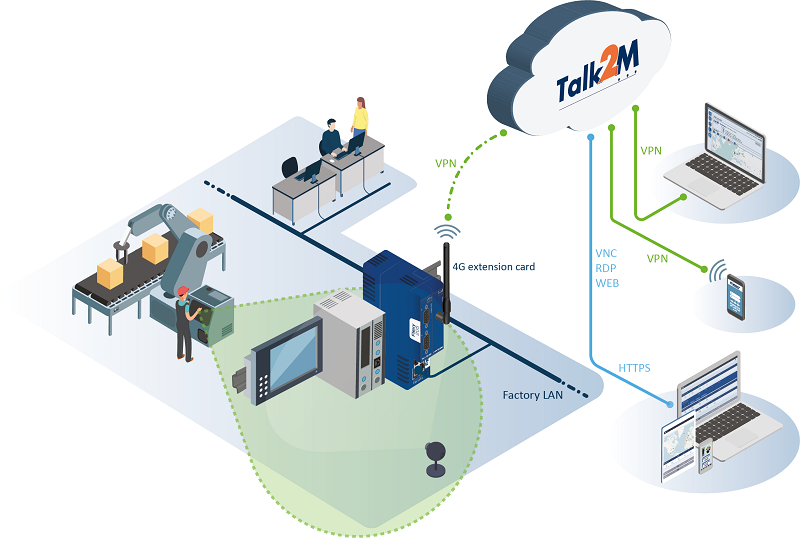
Industrial communication networks allow automation equipment and control devices to exchange information with each other and with the people operating the system. Devices on the network may include PLCs, HMIs, VFDs, sensors, industrial PCs, data loggers, and other automation hardware.
These networks can also connect automation systems with SCADA and other data-collection platforms, allowing operating information to move between equipment, control systems, and higher-level applications.
Industrial Communication Protocols
Industrial automation systems may use different communication protocols depending on the equipment, network architecture, data requirements, and application.
Common industrial protocols include:
- PROFINET
- PROFIBUS
- Modbus
- Modbus RTU
- Modbus TCP
- RS-232 / RS-485
- EtherNet/IP
- MQTT
- MTConnect
- CANbus
- BACnet
- DeviceNet
Network selection can depend on communication speed, diagnostics, system expansion, compatibility with existing equipment, data requirements, and manufacturer requirements.
What Is an Industrial Communications Gateway?
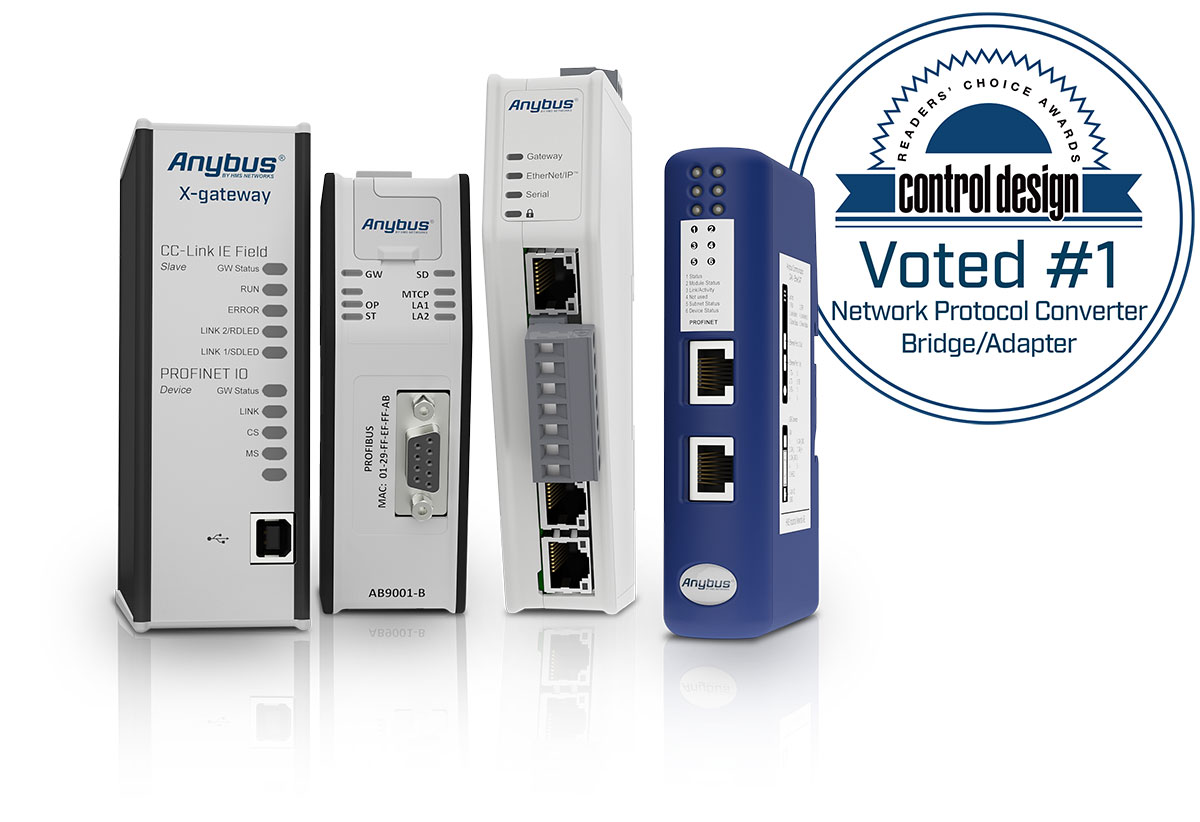
A communications gateway allows equipment using different networks or protocols to exchange data. The gateway receives information from one network, translates it into a format another network can understand, and passes the information to devices such as PLCs, HMIs, industrial PCs, edge systems, or other connected equipment.
Gateways can be useful when integrating new equipment into an existing system, connecting devices from different manufacturers, or bringing data from plant-floor automation systems into higher-level networks.
Why Use Industrial Ethernet Switches?
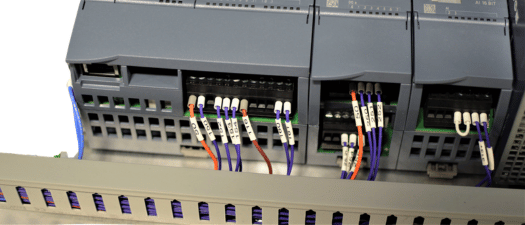
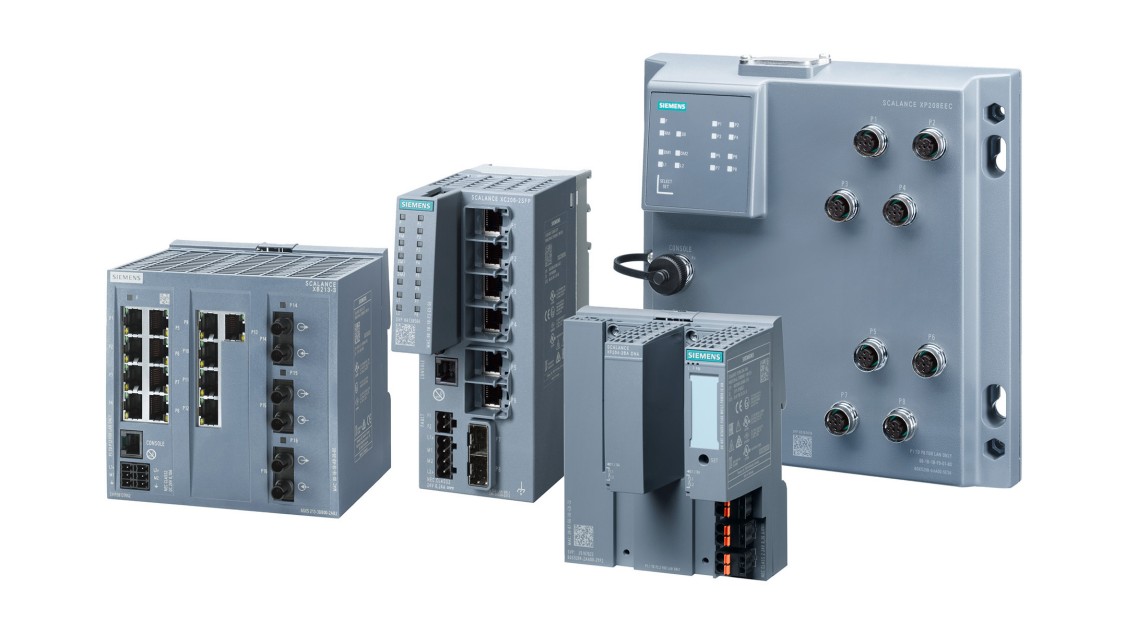
Industrial Ethernet switches are designed for the reliability and environmental demands of plant-floor automation. They can provide communications between PLCs, HMIs, drives, remote I/O, industrial computers, and other networked devices.
Depending on the application, industrial switches can also support redundant network configurations, DC power, industrial mounting, and operating conditions beyond those typically expected of commercial networking equipment.
PLC Programming with Siemens TIA Portal
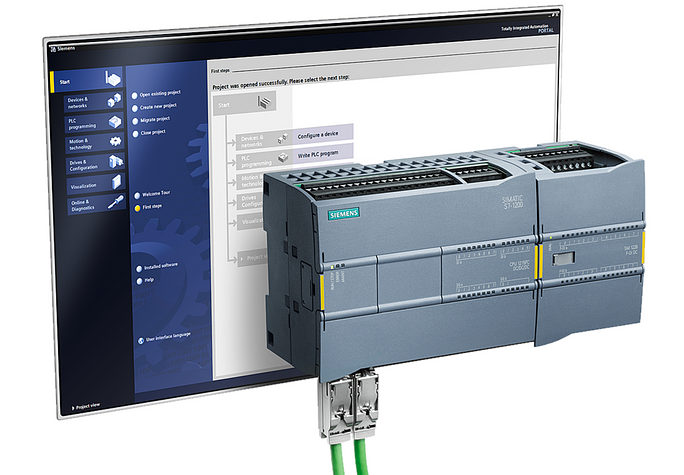
Siemens Totally Integrated Automation Portal, or TIA Portal, provides a centralized environment for programming and managing Siemens automation equipment. It can bring PLCs, HMIs, drives, communications, and other automation devices into a common engineering platform.
Applied Industrial Controls works with Siemens automation products and can support PLC programming, system integration, control-system upgrades, communications, and troubleshooting.
PLC Programming Languages
PLC programs can be developed using several programming methods depending on the application and control platform. Programming languages discussed in AIC's existing PLC resources include:
- Ladder Diagram (LD) – Graphical logic based on traditional relay-control diagrams
- Sequential Function Chart (SFC) – Organizes control sequences using steps and transitions
- Function Block Diagram (FBD) – Connects functional blocks to create control logic
- Structured Text (ST) – Text-based programming for more complex logic, calculations, and algorithms
- Instruction List (IL) – Instruction-based programming used on some legacy PLC platforms
PLC, HMI & Industrial Networking Support from AIC
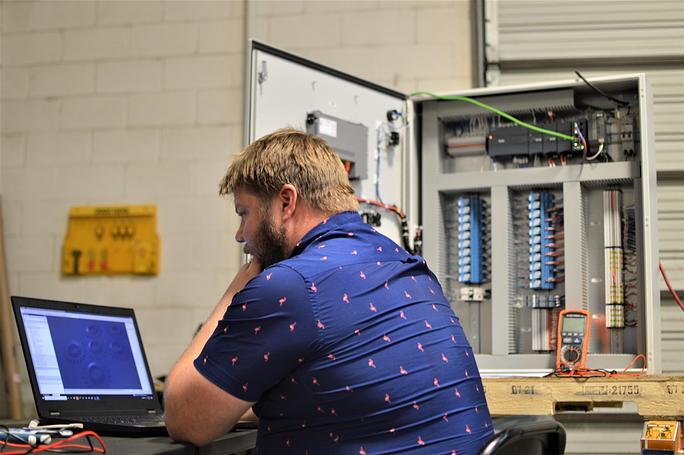
Applied Industrial Controls supports customers with automation hardware selection, PLC and HMI programming, industrial communications, system integration, troubleshooting, control panel design, and field support. AIC can also help coordinate new automation equipment with existing controls and communications infrastructure.
Related AIC capabilities include engineering and technical support and UL508A control panel design and manufacturing.
Need Help With PLCs, HMIs or Industrial Networking?
Talk with Applied Industrial Controls about automation hardware, programming, system integration, communications, networking, or technical support.